
23/01/2024
Property development for Tiny Houses: planning and realisation
Choosing a Tiny House not only brings a minimalist lifestyle but also specific requirements for the property. In this article, we examine property development for Tiny Houses and provide practical tips for planning and implementation.
Keep Legal Aspects in Mind
Before starting property development, it is crucial to gather information about the legal aspects. Building codes and regulations vary depending on the region and municipality. Clarify in advance whether the chosen property is suitable for Tiny House construction and what permits are required. Some regions have specific laws for mobile Tiny Houses, while others prefer permanent structures. A clear legal strategy prevents future issues.
Close communication with local building authorities is advisable to identify potential obstacles early on. Also, clarify if there are specific size requirements for the Tiny House and whether it is considered a temporary or permanent structure. By understanding all legal hurdles from the beginning, you can ensure that property development proceeds smoothly.
Free shipping
Tip
> 500 available
Free shipping
%
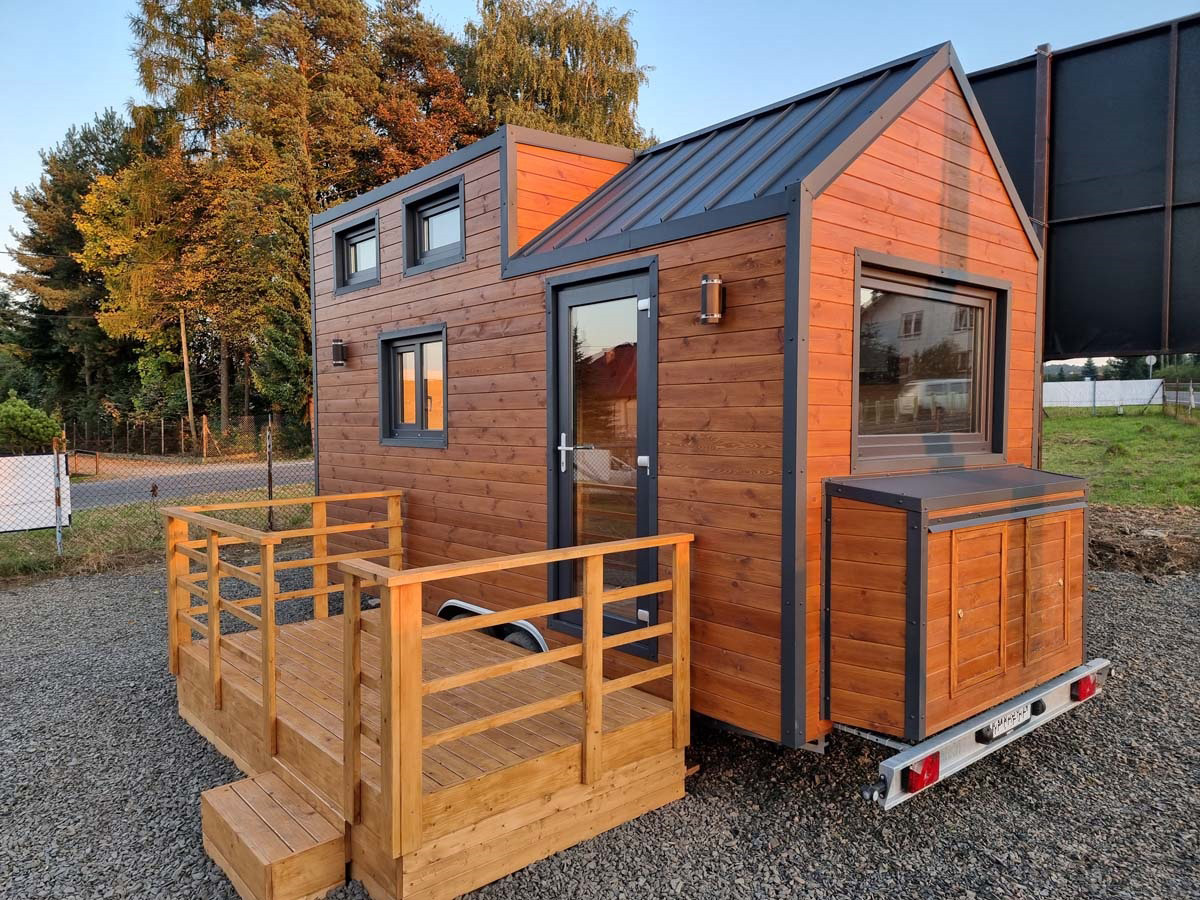
Tiny House, Container House, Modular House, Mini House - Sunshine Model
€30,187.00*
€31,000.00*
(2.62% saved)
Choosing Land Based on Needs
Choosing the right piece of land is crucial for the development of your Tiny House. Consider the needs of your Tiny House, such as sunlight, wind direction, and access to utility lines. Also, think about local infrastructure and the availability of services like water, sewage, electricity, and internet.
When selecting the land, consider the topography. Flat terrain can facilitate the construction process and reduce costs. Also, examine the soil quality, as different soil types may have varying requirements for the foundation and stability of the Tiny House. Additionally, proximity to shopping, medical care, and social activities is a vital factor for the quality of life in your Tiny House.
Conduct Soil Testing
Soil testing is a crucial step in land development. This test provides information about the soil's bearing capacity, which is especially important if your Tiny House is to be on a fixed foundation. The results of the soil test influence the construction method and can prevent additional costs.
Soil testing should consider not only the bearing capacity but also the soil's characteristics regarding water flow and drainage. If the land tends to retain water, special measures like elevated foundations or drainage systems may be necessary. A comprehensive soil test allows for a tailored approach to land development.
Planning Site Development
Site development includes connecting to public utility lines. Ensure that your land has access to water, sewage, electricity, and potentially gas connections. The costs for site development can vary, so careful planning is required.
When planning site development, it's advisable to communicate with local utility companies to clarify technical requirements and costs. Especially if your Tiny House is intended to be off-grid, you'll need to consider alternative energy sources and water supply options. The planning process should also consider the sustainability of the infrastructure to avoid long-term issues.
Consider Sustainability and Environmental Impact
In the development of land for Tiny Houses, sustainability is a central theme. Consider environmentally friendly practices such as rainwater harvesting, solar panels, and ecological construction. These measures can not only conserve the environment but also save costs in the long run.
When implementing sustainable practices, it's important to consider local resources and environmental conditions. There may be incentive programs or tax benefits for ecological construction projects that can be utilized. Choosing materials and technologies that align with local climatic conditions not only contributes to environmental friendliness but also enhances the energy efficiency of your Tiny House.


Check Zoning and Land Use Plan
Review the land use plan and zoning regulations of the chosen property. Not every area allows the construction of Tiny Houses, and some municipalities have specific regulations for residential projects. Ensure that your Tiny House project complies with local planning and regulations.
In dialogue with local authorities, you can explore potential exemptions or special permits. Some communities offer flexible regulations for alternative housing concepts like Tiny Houses. Checking the land use plan allows you to fully understand the potential and limitations of the property and adjust your plan accordingly.
Seek Guidance from Experts
Developing land for Tiny Houses can be complex, so seeking advice from experts is recommended. Architects, civil engineers, and other professionals can provide valuable advice and ensure that all aspects of the development are properly covered.
An architect can assist not only with the placement and integration of the Tiny House on the property but also ensure compliance with legal and construction requirements. A civil engineer can help assess soil quality and foundation construction. An expert in renewable energy can offer solutions for sustainable power. By tapping into the expertise of various professionals, you increase the likelihood of a successful and smooth project.
Developing land for Tiny Houses requires careful planning and alignment with local regulations. By considering legal aspects, choosing the right plot, conducting soil tests, planning infrastructure, integrating sustainable practices, checking zoning regulations, and consulting experts, you lay the foundation for a successful Tiny House project. Familiarize yourself with local regulations and develop your land thoughtfully to make the most of your Tiny House experience.
Buy Dream Tiny House